
Shipping wine internationally has become increasingly common as global demand for premium wines continues to grow. Australian wines in particular are sought after by collectors, distributors and consumers all around the world.
Every year, wine is shipped internationally for many different reasons, including:
- wineries exporting to international distributors
- wine samples sent to trade events and competitions
- collectors moving wine cellars internationally
- tourists sending wine home after visiting wineries
- businesses importing wine for retail or hospitality
However, international wine shipping can be complex, and understanding the rules and logistics involved is essential to ensure shipments arrive safely and without delays.
This guide explains everything you need to know about international wine shipping, including regulations, shipping methods, packaging, duties and taxes, and how Get Freighted makes the process simple.
Can Wine Be Shipped Internationally?
Yes, wine can be shipped internationally from Australia to many countries around the world.
However, several factors determine how a shipment must be handled, including:
- the destination country
- the volume of wine being shipped
- whether the receiver is a consumer or a business
- the shipping method used (air freight or sea freight)
- import regulations in the destination market
Because alcohol is a regulated product in most countries, shipments must comply with both export requirements in Australia and import rules in the destination country.
This is why many wineries and businesses choose to work with specialist wine freight forwarders who understand the regulatory landscape.
Import and Export Requirements
When shipping wine internationally, both export and import regulations must be considered.
Exporting wine from Australia
Depending on the shipment type and destination, certain documentation may be required when exporting wine from Australia.
For example, wineries exporting wine commercially may need to comply with export regulations administered by Wine Australia.
In some circumstances, wineries may need to obtain an export permit from Wine Australia before the wine can be shipped internationally.
Export requirements can vary depending on:
- the destination country
- whether the wine is being exported commercially
- shipment volume
Importing wine into another country
Once the wine arrives at destination, it must comply with the import regulations of that country.
These regulations can include:
- alcohol import licences
- label approvals
- customs declarations
- excise duties
- health authority filings
Some countries also require the receiver to hold a licensed importer permit.
Consumer Shipments vs Business Shipments
International wine shipments generally fall into two main categories.
Consumer shipments
These are shipments sent to private individuals. Examples include:
- tourists shipping wine home after winery visits
- collectors purchasing wine from wineries
Some countries allow consumer shipments, while others only allow wine imports through licensed importers.
Business shipments
These shipments are typically sent to:
- wine distributors
- licensed importers
- retailers and hospitality groups
- trade events and competitions
- consulates and embassies
Business shipments usually require the receiver to hold an import licence for alcohol, and/or for the shipment to be cleared by a nominated party that holds a licence to import alcohol in the destination country.
Understanding the difference between these shipment types is important when planning international wine logistics.
Air Freight vs Sea Freight
One of the most important decisions when shipping wine internationally is choosing between air freight and sea freight.
Air freight
Air freight is the most common method for shipping small shipments of wine internationally.
Benefits include:
- faster transit times
- reduced storage time
- lower risk of temperature exposure
Air freight is typically used for:
- smaller shipments
- wine samples and competition entries
- urgent deliveries
- consumer shipments
Sea freight
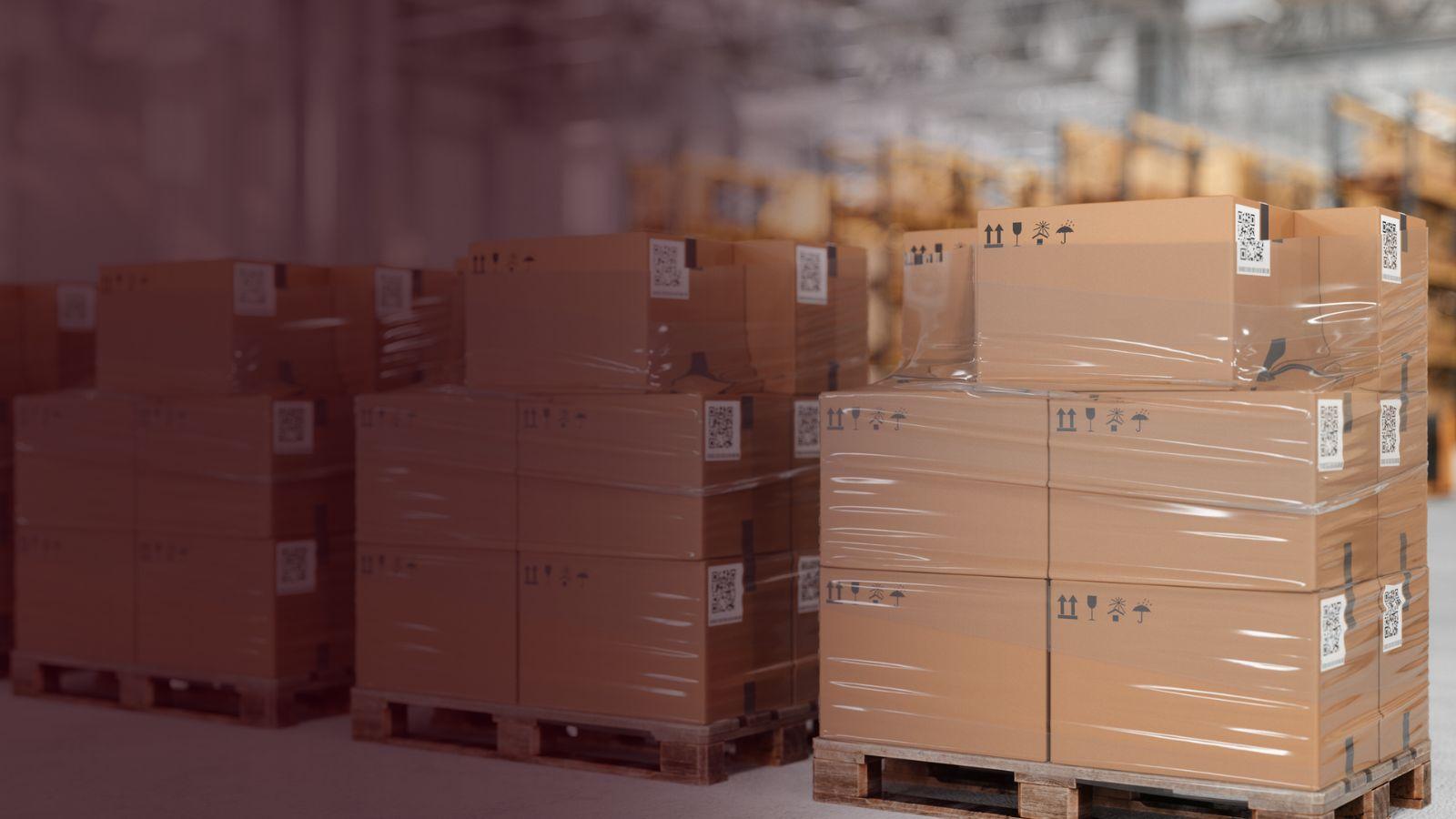
Sea freight is often used for larger palletised shipments.
Benefits include:
- lower cost for large volumes
- efficient shipping for bulk export orders
However, sea freight generally involves:
- longer transit times
- additional handling
- temperature considerations
- greater complexities and parties involved in the logistics chain
The best method depends on the volume of wine being shipped and the destination market.
Duties and Taxes
When wine is imported into another country, duties and taxes are usually applied. These charges vary significantly depending on the destination.
They may include:
- import duties
- excise taxes
- VAT or GST
- local alcohol taxes
In many cases, these charges can be paid by either:
- the shipper (DDP, Delivered Duty Paid)
- the receiver (DDU, Delivered Duty Unpaid)
Understanding how duties and taxes are applied is important to avoid unexpected charges at destination.
Packaging Is Critical When Shipping Wine
Wine is fragile and sensitive to handling conditions during transit.
Unlike many other products, wine is shipped in glass bottles containing liquid, making it both fragile and relatively heavy.
During international shipping, wine shipments may pass through multiple transit hubs across different countries, making strong packaging essential.
At Get Freighted:
- international grade wine packaging is included with air freight shipments
- packaging is designed specifically for wine bottles
- shipments are prepared to withstand global transport conditions
Proper packaging is one of the most important factors in ensuring wine arrives in the same condition as when it was packed.
Freight Costs and Weight Considerations
Shipping costs for wine are largely determined by weight and shipment size. Wine is relatively heavy due to:
- glass bottles
- liquid content
- protective packaging
Because of this, freight pricing is typically calculated based on:
- shipment weight
- destination country
- shipping method
This is why optimising freight costs is important when shipping wine internationally.
Alcohol Is a Restricted Shipping Product
Many international carriers classify alcohol as a restricted good. This means that shipments often require special carrier approval before they can be transported. Without the correct approvals, shipments may be refused by the carrier.
Get Freighted maintains broad alcohol shipping approvals with our international carrier partners, which means we can ship wine without requiring separate carrier approvals for every shipment. This helps simplify the shipping process for our customers.
The Importance of Insurance
When shipping valuable wine internationally, insurance is essential. Even with careful packaging and handling, international shipments involve:
- long distances
- multiple handling points
- customs inspections
Shipping insurance protects against:
- loss
- damage
- reshipping costs
Ensuring shipments are properly insured provides peace of mind for wineries and collectors alike.
Why Businesses Choose Get Freighted
Get Freighted has been helping wineries and businesses ship wine internationally for over 30 years, and has become Australia's leading wine freight forwarder over the past decade. Our experience allows us to simplify complex international wine logistics.
We assist with:
- selecting the best shipping method
- navigating international alcohol regulations
- preparing customs documentation
- ensuring wine arrives safely and on time
Up to 36% Cheaper Than Booking Direct
Because of the large volume of wine we ship globally, we are able to negotiate discounted freight rates with major carriers. We pass these savings directly on to our customers.
Shipping through Get Freighted is often up to 36% cheaper than booking directly with international carriers.
Business Class Service for the Price of Economy
A simple way to describe shipping with Get Freighted is: it's like flying business class for the price of economy.
You benefit from:
- discounted international freight rates
- specialist wine logistics expertise
- full shipment monitoring
- expert support
without paying premium logistics fees.
End to End Shipment Monitoring
When you ship with Get Freighted, our team monitors your shipment from the moment the booking is created until it is successfully delivered.
If any issues arise during transit, our team can:
- liaise with carriers
- resolve documentation issues
- assist with customs queries
This proactive monitoring helps prevent delays and ensures shipments move smoothly through the supply chain.
Australian Based Support 365 Days a Year
International logistics doesn't always happen during business hours. That's why Get Freighted provides Australian based phone and email support 365 days a year.
Our team regularly assists with:
- winery export shipments
- international wine sample shipping
- cellar door consumer shipments
- international logistics advice
A Platform Built Specifically for Wine Shipping
Get Freighted provides a dedicated online booking portal designed specifically for wine shipments. The platform allows customers to:
- create shipping bookings online
- generate documentation
- track shipments
- access wine shipping guides
- order approved packaging
This makes international wine shipping simple and efficient for wineries and exporters.
Start Shipping Wine Internationally
For wineries and businesses
Create your free Get Freighted account and start shipping wine internationally today: register here.
Your account provides access to:
- discounted international freight rates
- the Get Freighted wine shipping platform
- detailed country by country wine shipping guides
- packaging ordering
- expert advice and support
For consumers and private customers
If you are a traveller, collector or individual looking to ship wine internationally, our team can help you determine the best shipping option.
- Email: support@getfreighted.com.au
- Phone: 1300 878 078
We can guide you through the best solution depending on:
- where the wine is located
- the destination country
- shipment size