
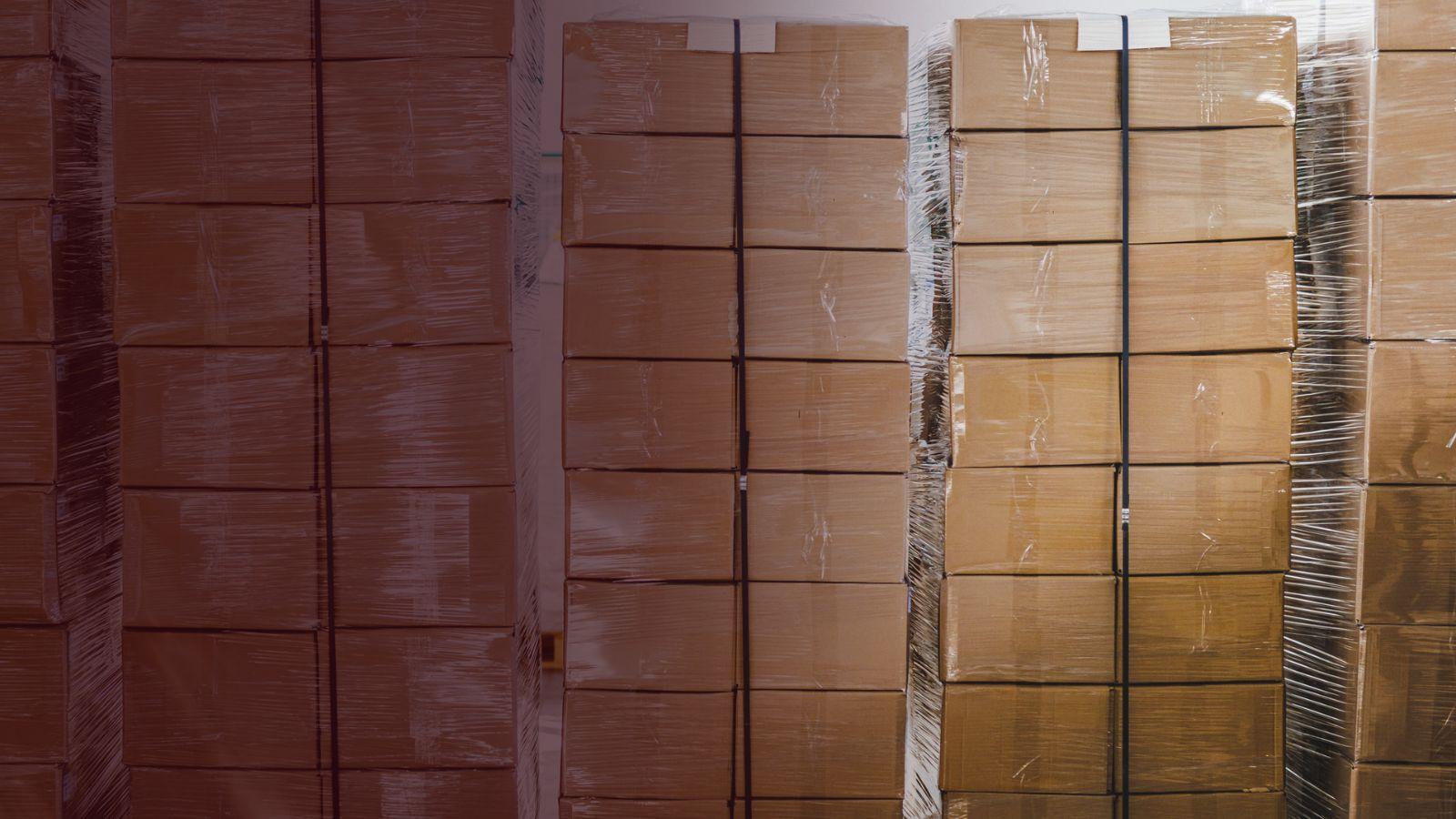
As Australian wineries expand into international markets, many eventually move beyond sending individual sample shipments and begin exporting larger palletised shipments or full containers of wine.
Exporting wine in bulk to distributors, retailers or importers overseas can be an efficient way to supply international markets, but it also involves more complex logistics, documentation and regulatory requirements.
Whether you are exporting a few pallets of wine to a distributor or a full container to a global retailer, working with an experienced wine logistics partner helps ensure shipments leave Australia smoothly and arrive at their destination without delays.
This guide explains how palletised and containerised wine exports work, the documentation involved, and how Get Freighted helps wineries manage international wine exports.
Key Terms When Exporting Wine Overseas
When exporting pallets or containers of wine internationally, several logistics terms are commonly used. Understanding these terms helps wineries navigate the export process more confidently.
LCL: Less than Container Load
LCL refers to shared container shipping, where multiple exporters share space inside a single shipping container.
This option is ideal when a winery does not have enough pallets to fill an entire container. For example:
- a 20 foot container typically holds around 10 pallets of wine
- if a winery is shipping fewer pallets than this, LCL becomes the more practical option
LCL shipments are consolidated with other exporters' goods at a freight warehouse before being loaded into the container.
FCL: Full Container Load
FCL refers to a full shipping container used by a single exporter. This option is typically used when:
- a winery is shipping large volumes of wine
- the shipment is destined for one importer or distributor
FCL shipments generally offer:
- faster handling at ports
- reduced risk of cargo handling issues
- greater control over shipment timing
Export licence
Australian wineries exporting wine commercially must hold a Wine Australia export licence. This licence allows the winery to export wine internationally and is a prerequisite for obtaining export permits when required.
Importer
The importer is the business in the destination country that is authorised to receive the wine shipment. In many countries, alcohol imports must be handled by licensed alcohol importers.
Broker
A customs broker is responsible for clearing the shipment through customs in the destination country. The broker ensures:
- duties and taxes are paid
- import documentation is processed
- the shipment can be released for delivery
Duties and taxes
Duties and taxes vary by destination country. The shipment terms determine who pays these charges.
In most cases, the importer pays duties and taxes at destination, but this depends on the Incoterms agreed between the shipper and the buyer.
Shipment purpose
Wine shipments may be classified differently depending on their purpose:
- samples
- personal use
- gifts
- commercial shipments for resale
Each category may have different regulatory requirements depending on the destination country.
When Is an Export Permit Required?
Australian wine exports may require an export permit issued by Wine Australia. In simple terms, an export permit is required when:
More than 99 litres of wine are exported to the same receiver on the same vessel or shipment.
This rule applies to most commercial palletised shipments.
Export licence requirement
Before an export permit can be issued, the winery must hold a Wine Australia Export Licence.
Wine products must also be registered and approved through the Wine Australia Licensing and Approval System (WALAS). This system ensures that wines exported from Australia meet regulatory requirements.
Shipment details required for export permits
To create an export permit, certain shipment details must be known in advance, including:
- vessel name or flight details
- voyage number
- estimated time of departure (ETD)
- estimated time of arrival (ETA)
Get Freighted assists wineries in gathering the required shipment information to complete the export permit process.
Important: if the vessel, voyage or flight details change during the planning stage, the existing export permit must be updated with the revised details. The updated permit should then be resubmitted to ensure alignment with the final shipping arrangements and carrier documentation.
Documents Required for Exporting Wine
Exporting palletised wine shipments requires several documents to ensure the shipment clears customs both in Australia and at destination. Common export documents include the following.
Commercial or proforma invoice
This document outlines:
- the products being shipped
- quantities
- values
- shipment purpose
- shipper details
- receiver (consignee) details
- agreed Incoterms (e.g. EXW, FOB, DDP)
- currency of sale
- importer of record (if different from the receiver)
Ensuring all of the above details are clearly listed helps avoid delays during customs clearance and ensures compliance with destination country requirements.
Certificate of Origin
Some countries require a Certificate of Origin confirming where the wine was produced. This may be required for customs clearance or tariff purposes.
Certificates of Origin can typically be issued by Wine Australia or your State Chamber of Commerce, depending on the destination country requirements.
Shipper's Letter of Instruction (SLI)
The SLI provides detailed shipping instructions to the freight forwarder. It typically includes:
- shipper details
- consignee details
- shipment information
- special handling instructions
Bill of Lading or Air Waybill
This transport document is issued by the carrier and confirms:
- shipment ownership
- transport details
- delivery instructions
This document is arranged and provided by Get Freighted.
Packing list
A packing list identifies:
- the contents of each carton or pallet
- quantities of products included in the shipment
This document is often required by importers or customs authorities. If requested, the packing list should be prepared by the shipper (winery) to ensure accuracy of product and carton level detail.
Country specific regulatory documents
Some destinations require additional documentation, such as:
- FDA Prior Notice for the United States
- VI1 certificates for wine shipments into Europe over 100 litres
The Get Freighted team can guide wineries through destination specific requirements.
Domestic consignment notes
If wine is collected from the winery and transported to a freight warehouse for export preparation, domestic consignment notes will be provided by Get Freighted.
When arranging collection, it is important to advise whether load assist is required at the pickup location. This ensures the correct domestic courier service (e.g. tail lift or manual handling) is booked and avoids collection delays or additional charges.
Air Freight vs Sea Freight Transit Times
Understanding transit times is critical when planning pallet or container shipments, particularly when coordinating with distributors, retailers or market launches.
Air freight transit times
Air freight is the fastest option for exporting wine and is often used for:
- urgent distributor replenishment
- high value shipments
- time sensitive market launches
Typical transit times from Australia:
- New Zealand and Singapore: 2 to 5 business days
- Asia Pacific: 4 to 7 business days
- Western Europe: 5 to 7 business days
- Rest of Europe and South Africa: 7 to 10 business days
- Rest of World: 7 to 14 business days
Transit times may vary depending on:
- customs clearance at destination
- importer readiness
- carrier routing
Sea freight transit times
Sea freight is the preferred option for larger palletised or container shipments, offering a more cost effective solution for bulk exports.
Typical port to port sailing times from Australia:
- New Zealand: 5 to 10 days
- Singapore: 10 to 14 days
- Asia Pacific: 12 to 20 days
- Western Europe: 30 to 40 days
- Rest of Europe: 35 to 45 days
- South Africa: 20 to 30 days
- Rest of World (including USA East Coast): 30 to 50 days
Important to note: these are sailing times only. Total transit time will be longer when including:
- export handling
- port processing
- customs clearance
- final delivery
Temperature Controlled Shipping Options
Wine is highly sensitive to temperature fluctuations, particularly during long international journeys. For premium wine shipments, temperature control is a critical but optional consideration.
Sea freight temperature control
For sea freight shipments, temperature controlled options include:
- refrigerated (reefer) containers
- temperature controlled LCL services (where available)
These solutions help maintain consistent temperature throughout the sea leg of the journey.
End to end temperature protection
Temperature control can also be applied across the entire supply chain, including:
- pickup from the winery
- storage prior to export
- port handling
- ocean transport
- delivery at destination
This is particularly important for:
- fine wine
- aged wine
- premium export markets
The Get Freighted team can advise on the most suitable temperature controlled solution based on shipment size, destination and budget.
How Palletised and Container Shipments Are Priced
Pricing for wine exports depends on the shipping method and shipment size.
Air freight pricing
Air freight is typically priced based on weight, using whichever is greater:
- actual weight (dead weight)
- volumetric weight
Sea freight pricing
Sea freight is typically priced based on cubic volume (CBM), calculated using length × width × height.
Additional surcharges may apply if cargo is:
- non stackable
- oversized
- overweight
Custom quotes for each shipment
Each pallet or container shipment is quoted individually based on the details provided by the exporter. Quotes usually include line items for each component of the shipment, such as:
- freight costs
- export preparation
- documentation
- origin and destination handling
- insurance (if requested)
- duties and taxes (where applicable)
- administrative costs
Quotes will also clearly outline any exclusions, so exporters understand what is and is not included in the estimate.
Depending on the complexity of the shipment, quotes typically take 2 to 7 business days once all required shipment information has been provided.
Step by Step Guide for a Smooth Wine Export
Exporting palletised wine shipments is easier when wineries follow a structured process.
Step 1: Confirm importer responsibilities
Before shipping, ask your importer to confirm what services they will provide at destination, including:
- customs clearance
- duties and taxes payment
- domestic delivery
Step 2: Confirm duties and taxes arrangements
For DDU shipments, the importer must ensure duties and taxes are paid promptly to avoid storage or delay charges.
Step 3: Confirm delivery requirements
If the pickup or delivery location requires a pre arranged courier booking, ensure the relevant reference number is provided to the carrier before arrival.
Step 4: Confirm documentation requirements
Ensure all export documentation is prepared correctly before shipping. This helps prevent delays at origin or destination.
How Should Wine Be Packed for Pallet or Container Shipping?
Correct packaging is essential when exporting palletised wine shipments.
Cartons
Wine should be packed using international grade cartons. Domestic cartons may be acceptable if the shipment remains palletised and well secured.
Palletisation
When shipping pallets of wine:
- pallets should be securely shrink wrapped
- pallets should ideally be stacked no higher than 160cm (for air freight shipments)
This helps ensure:
- the pallet remains stable
- compliance with air freight height restrictions
- safer handling during transport
For sea freight shipments, pallets can often be stacked higher. It is recommended to confirm acceptable heights with Get Freighted prior to dispatch to ensure compliance with the selected shipping method.
International pallets
Export shipments should be packed on ISPM approved international pallets. If required, Get Freighted can:
- provide compliant pallets
- repalletise shipments before export
What Information Is Required for a Quote?
To provide an accurate estimate, exporters should provide:
- origin pickup location
- destination address
- number of cartons or pallets
- dimensions and weight
- shipment purpose
- preferred shipping method (air or sea)
Providing accurate shipment details helps ensure the most accurate estimate possible.
Get Freighted provides an estimate form that captures all required shipment details upfront. Completing this form prior to requesting a quote helps streamline the quoting process and reduces back and forth.
Why Quotes May Change
Export quotes are typically provided as estimates based on the information initially supplied. Final costs may vary if shipment conditions change. Examples include:
- pallets not meeting ISPM standards requiring repalletisation
- actual weight or dimensions differing from the original estimate
- storage charges due to delays at destination
- changes in fuel surcharges between quoting and shipment
- tariff changes
- additional handling requirements such as tailgate delivery or manual unloading
Providing accurate shipment details from the beginning helps minimise pricing variations.
Why Wineries Choose Get Freighted
Get Freighted has been helping wineries ship wine internationally for over 30 years and has become Australia's leading wine freight forwarder over the past decade.
Our team specialises in managing complex wine exports, including:
- palletised wine shipments
- full container exports
- distributor shipments
- international wine logistics
We assist wineries with:
- export documentation
- customs requirements
- shipping coordination
- destination import requirements
- packaging and palletisation advice
Our goal is simple: to ensure your wine exports leave Australia smoothly and arrive safely at their destination.
Shipment Monitoring and Support
When you ship with Get Freighted, our team monitors your shipment from booking through to final delivery.
If any issues arise during transit, our team can:
- liaise with carriers
- assist with customs queries
- coordinate delivery arrangements
This proactive monitoring helps ensure shipments move smoothly across international supply chains.
Australian Based Support 365 Days a Year
Get Freighted provides Australian phone and email support 365 days a year, assisting wineries with:
- export logistics
- distributor shipments
- international wine trade
- complex pallet and container exports
Start Exporting Wine Internationally
Wineries and exporters can create a free Get Freighted account to begin shipping wine internationally: register here.
Your account provides access to:
- discounted international shipping rates
- a booking portal designed specifically for wine shipments
- compliant export documentation
- detailed wine shipping guides by country
- expert support from the Get Freighted logistics team